
 If you've been looking into real estate in Calgary you've probably run into the five-year rule and may not fully understand it. If so, here's a brief explanation that will help you get a grip on this rule and where and why it applies.
What is the Five-Year Rule?
This is a very general rule that means you should plan on remaining in the home you purchase for five years at least. If you don't, it will hit you in the pocketbook, in most cases. This is due to the closing costs that need to be paid when you sell your house and can be a substantial amount, depending on the value of the home.
As well, you'll have to look at how much equity you have actually built up in your property. When you first take out a mortgage you'll be paying mostly interest
…
 Millennial home buyers would seemingly be the most eager of the population to delve into homeownership. However, current trends, statistics and surveys seem to say otherwise—at least according to details from Angus Reid for CIBC. In all, 42 percent of Canada's millennials have delved into homeownership, with 81 percent of those claiming they intend to sell in the future. Nearly two-thirds of such respondents claim they plan to sell due to the high cost of maintenance, taxes and mortgage payments.
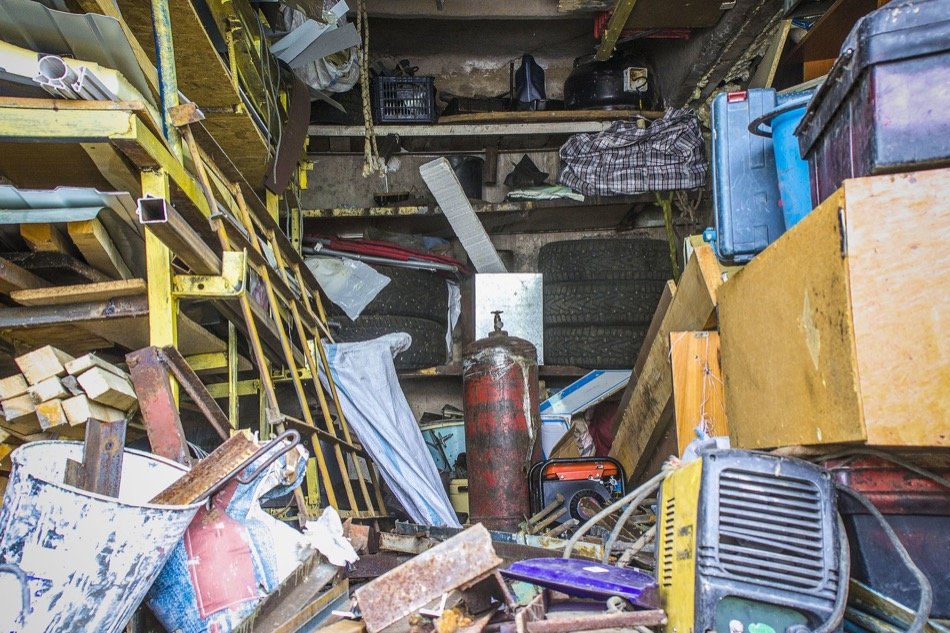 While garage organization can be seemingly impossible to obtain and maintain, with some clever design ideas and a willingness to ditch the junk, the garage can become a more inviting and functional space. And when selling a home with a garage, a clean garage always leaves a great impression on a potential home buyer. Here are some easy ways to get things in order fast, which can prevent injuries and allow everyone to find needed tools and stored items with ease.
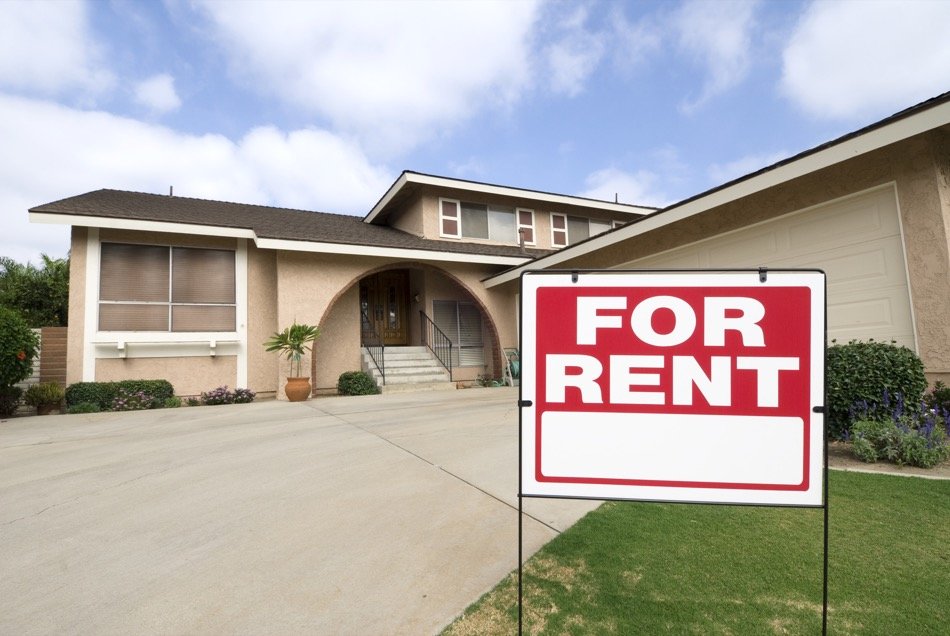 Buying a home and then renting your home to become a landlord can be a great way to really take advantage of a property. Tenants not only pay rent every month, but they also maintain the integrity of the property. (Just the simple act of using the plumbing system regularly can help it stay intact.) And if something goes wrong, such as a leak in the ceiling, the tenant will be there to alert the owner. But just because tenants can be a boon for property owners doesn't mean that all of them are worth the trouble. Here are a few tips to keep in mind before moving forward on a candidate.
 Selling a home often involves presenting the property in its best condition. However, sellers also have obligations to potential buyers. In order to minimize future liability, sellers should confirm that they have given buyers a full picture of the home's condition. Some rules are based on the city or province. Others are more closely related to convention. With this information, sellers will understand how they can provide buyers with useful and accurate data about the property.
 Buying a home as a single person is a lot different than buying a home as a couple. When you have another person that is going to be buying a home with you, you have a sounding board to work with during the process. All of your concerns and questions can be discussed with your partner and at the end of the day it will be two signatures that are penned at the bottom of the contract instead of only one. When one person only has to sign, it can be a lot more stressful since you are assuming full responsibility for the new property and all of the payments that are going to go along with it down the line.
 Any decorator can walk into a home and date it back to its beginnings by its architectural style. Sometimes there are long transition periods from one style to the next but there's no question that throughout the years housing designs have been changing. What's in store for the next generation of homes and what are the latest trends for new design styles?
 Whether you're a first-time home buyer or an old pro, it's helpful and important to research the real estate market before buying a home. Knowing what kind of homes are available and what to expect from the buying experience can help you be prepared. These tips can help.
 Although a home doesn't quite have as many moving parts as a car or cell phone, items can still break and be in need of repair. Often times these repairs can come out of the blue and can be rather costly to fix.