
How to Spot and Fix Roof Damage
Posted by Justin Havre on Wednesday, September 19th, 2018 at 12:37pm.
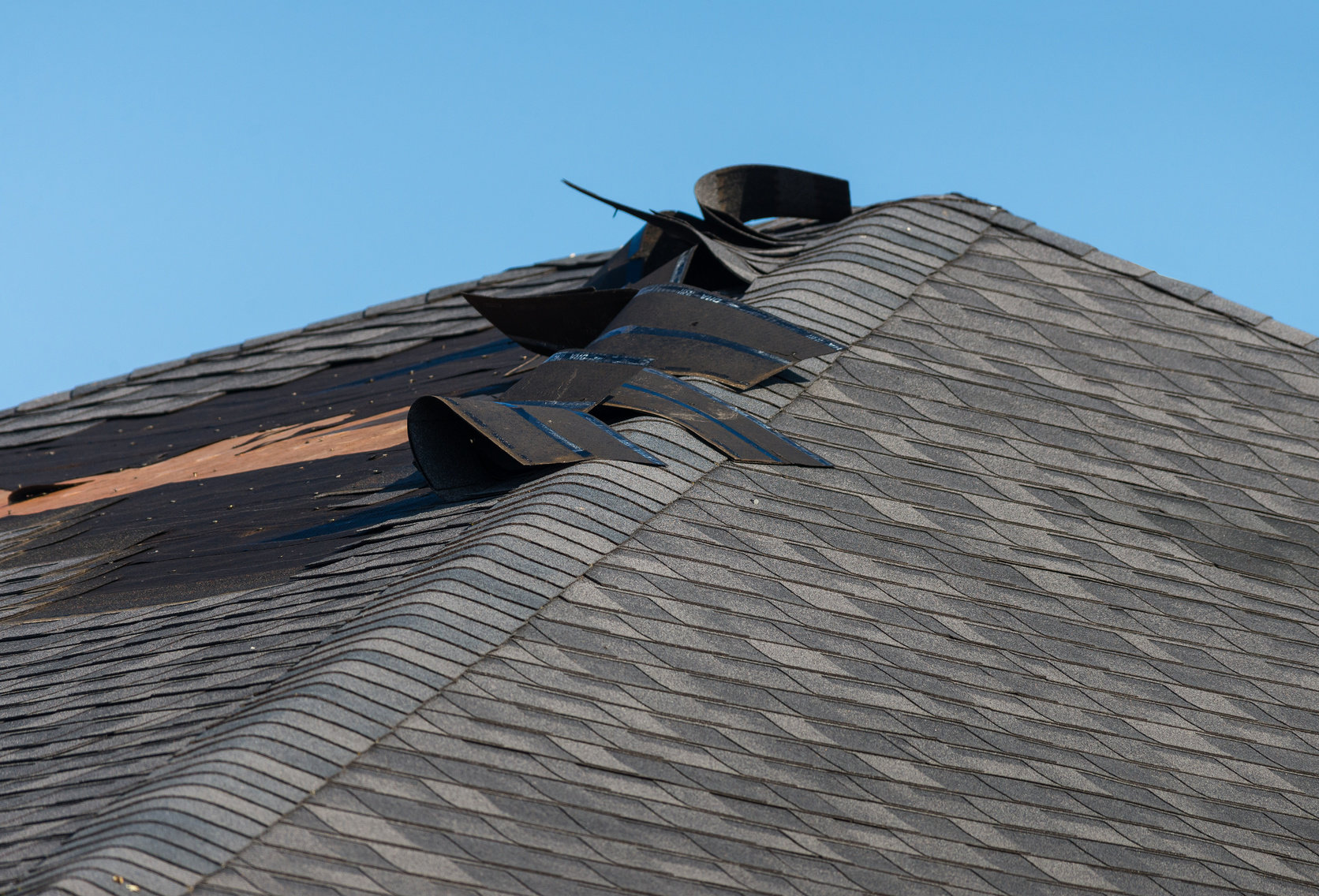 Home owners who want to put their house on the market often struggle with the decision to make home improvements before listing the property. Roof upgrades in particular can be a difficult decision because roof improvements and repairs can be costly and best done by a professional. Knowing the signs that a roof needs to be replaced and understanding the expectations of the home buyers can help the homeowner decide whether or not a roof should be repaired or replaced before selling the house.
How Long Roofs Last
Because there is such a wide variety of different roofing materials, there’s no one answer for how long a roof will last. Different kinds of roofing materials are expected to last for different lengths of time. For example:
- Asphalt roof: 20-25 years
- Metal roof: 40 years or more
- Slate: 100 years
- Wood: 20 years
- Copper: 70 years or longer
- Metal: 40-80 years
- Simulated slate: 10-35 years
- ARchitectural asphalt: 30 years
- Concrete: 100 years or more
The service life of a roof will be influenced by a variety of factors, including how well the roof is maintained as well as local weather patterns. Homeowners who take good care of their roof and who live in mild climates may expect their roof to last longer than homeowners who do not. Knowing how long your roof is expected to last and how old it is can help you decide whether or not your roof's service life is nearing the end.
Signs A Roof Needs Repair, Maintenance and Replacement
Roofs usually need repair or maintenance at some point during their service life. When you know what to look for, it's easy to spot the signs you need a new roof or when to replace roof shingles. Here are some of the different ways to detect when to replace a roof:
- The roof is leaking
- Mold or moss has begun to grow on the roof
- Shingles are missing
- Shingles are cracked, curled, or broken
- Light can be seen from inside the attic
- There is moisture or water damage in the attic
- Indents from hail can be found on the shingles
- All the neighbors are replacing their roofs
- Shingle granules can be found in the gutters
- The roof is sagging
When a roof needs to be replaced on your West Calgary home, this often involves a deterioration of the roofing materials. For example, the shingles of an asphalt roof may start to curl upward at the edges. This curling will start at the ridge cap and then spread to the rest of the shingles. In addition, granules of asphalt will fall off of the shingles, leaving them bare. When this happens, the asphalt will collect in the gutters, making a mess.
In some cases, it can be hard to tell when to replace roofing. An experienced roofing contractor can help the homeowner decide if you need a new roof or not.
How to Spot Roof Damage
Short of getting out a ladder every few months to physically inspect the roof, homeowners often miss roof damage until they notice puddles appearing where they shouldn't. Much of spotting damage lies in understanding how the roof works to keep their Panorama Hills home protected from the elements. Learn the common pitfalls for homeowners, and what can be done to keep the roof in better shape.
Sneaky Leaks
When water leaks, it's normally the attic or upstairs crawl space that suffers the damage. Considering this part of the house isn't always the most popular place to visit, it can take a while for homeowners to spot. If a homeowner can access the top of the roof, they should look for curling on the shingles, tears in the flashing (the material over the joints), or crumbling of the cement. If staying indoors, look for peeling paint or wallpaper or mysterious stains.
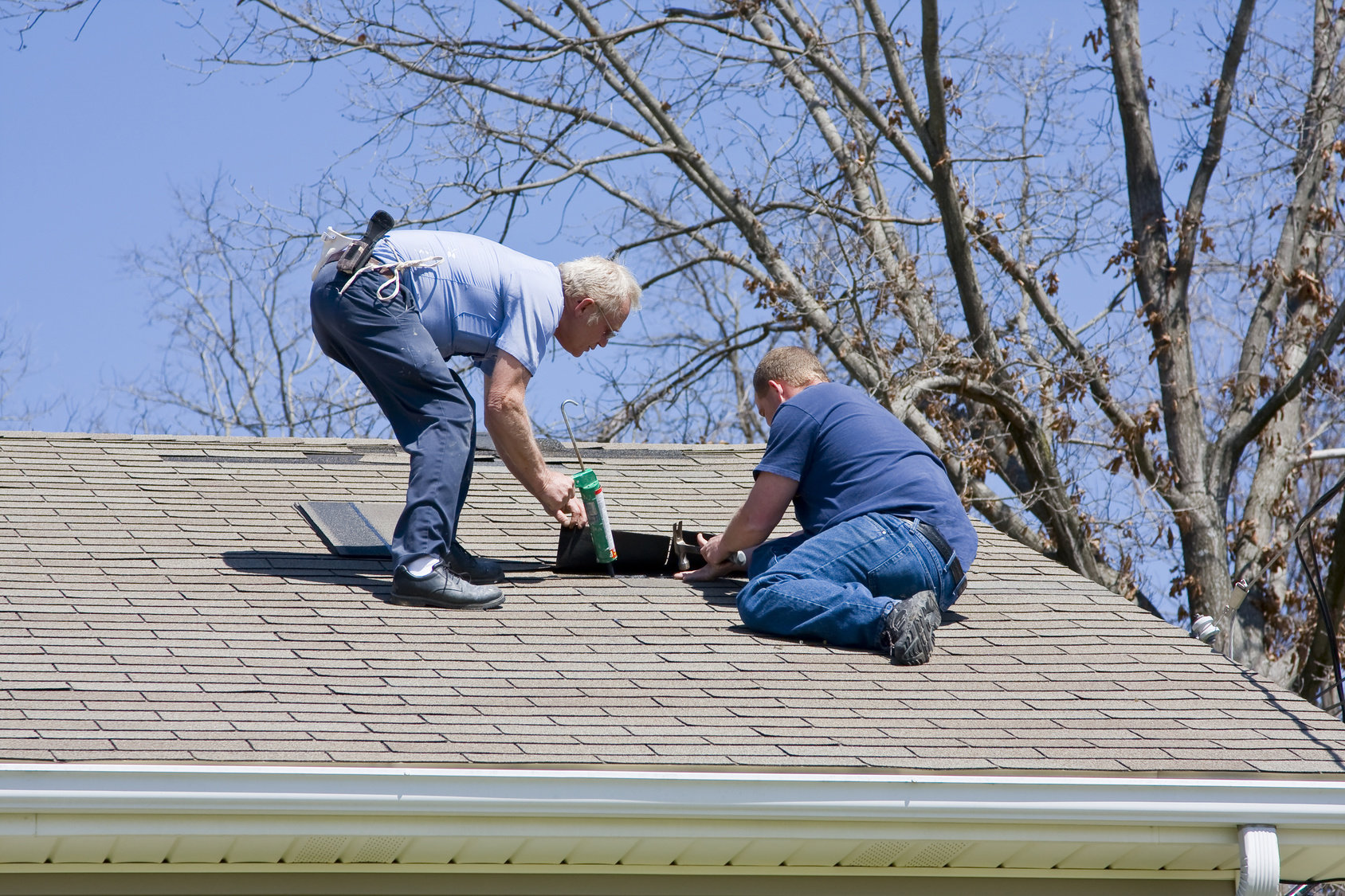
Professionals tell homeowners that using cement or caulk is not recommended. Water damage to a home is not only dangerous to the structural integrity of the home, it's also extremely expensive to fix. A leak is a major defect that usually requires a skilled contractor. When it comes to long-term solutions, it's far less expensive to replace the damaged portion with the help of a pro than to perform a patch-up on your own.
Damaged Soffit
 The soffit on the roof can be found underneath the eaves or rafters, and it's usually made of a strong material like aluminum, cement, and or steel. Even the toughest soffit though will eventually start to show wear and tear. Any holes in the soffit will expose the home to some very unwelcome guests, such as insects looking for a winter home. Even birds can sometimes build their nests if the damage is large enough.
The best way to protect soffit is to make sure that the ventilation is as efficient as it can be — especially if the home is in a snowy or rainy region. Snow can become trapped inside the soffit or vents in the roof before it melts and causes water damage or even rot. Even embers can become trapped and cause a fire. If a homeowner notices either direct damage or the wrong kind of visitors in their attic, it's time to replace the soffit. Homeowners can do this on their own, but it can be a hazardous task. The fascia, soffit, rafters, and shingle mold will all need to be removed and then replaced.
Gutter Trouble
If the gutters of a home are clogged, most homeowners can spot the damage fairly easily and handle this job on their own. Check around the house and note any areas where the gutter seems to be sagging or detaching from the home, and look for unnatural puddles or leakage around the seams of the gutter. Caulk for the gutters is usually highly effective to close any gaps a homeowner might spot when they're cleaning out any accumulated dirt or muck. If the gutter is too old or worn though, it may need to be replaced.
The better drainage you have for the home, the less likely it is that it will experience water damage in the first place. In addition, homeowners should check their ventilation before the winter. Gutters form the dreaded ice dams due to poor ventilation, which creates a safety hazard for pedestrians (e.g., the mailman, etc.) as well as the residents of the home.
The ROI of Roof Replacement
Many homeowners are concerned with how much value a new roof adds to a home, especially if they intend to replace it before selling. Roof replacement is said to increase a home's value around $12,000, and has an average ROI of around 62 percent. This ROI is not as high as some other home improvement projects. For example, a kitchen renovation is estimated to have an ROI of 70 percent.
Still, buyers expect homes to have a roof that keeps out the rain and protects the house. A home that needs a roof replacement may sell for a lot less than its value, because many home buyers do not want to deal with roof replacement before moving in. In other words, the cost of not replacing the roof may be much more than the cost of replacement.
Work With a Real Estate Agent
The decision to repair or replace the roof can be a difficult one. If you're thinking about putting your house on the market and want to get the most money for your property, talk to a good real estate agent. He or she can help you decide which repairs are worthwhile and which repairs are not.