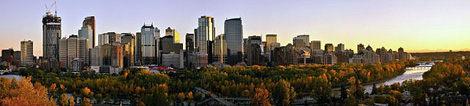
What is Calgary Known For? 20+ Fun Facts About Calgary
Posted by Justin Havre Real Estate Team on Tuesday, July 29th, 2025 at 8:53am.
Calgary is a city that most people have at least heard of before, even if they don't know exactly what Calgary is known for. People living in Calgary already know about the Olympics, hockey, and impressive views of the Canadian Rockies. But there's more to Calgary than that. It's time to set the record straight on the history and culture that's made Calgary famous.
What Is Calgary Famous For?
- Calgary Stampede: Known as "The Greatest Outdoor Show on Earth," this annual rodeo, exhibition, and festival is one of Calgary's most famous events.
- Calgary Tower: An iconic observation tower offering panoramic views of Downtown Calgary and the Rocky Mountains.
- The Peace Bridge: A striking architectural landmark spanning the Bow River, designed by Santiago Calatrava.
- 1988 Winter Olympics: Calgary hosted the XV Olympic Winter Games, which put the city on the global map.
- Banff National Park: Proximity to this stunning national park makes Calgary a gateway to the Canadian Rockies.
- Calgary Zoo: One of the top-rated zoos in North America, known for its diverse animal exhibits and conservation efforts.
- Stephen Avenue Walk: A historic street known for its shopping, dining, and entertainment.
- Glenbow Museum: One of Canada's largest museums, featuring art, history, and culture exhibits.
- Heritage Park Historical Village: Canada's largest living history museum, showcasing life in Western Canada from the 1860s to the 1950s.
- Canada's Railway Headquarters: The long-standing headquarters of the Canadian Pacific Railway (now CPKC).
- Calgary Flames: The city's NHL team, which has a passionate local following.
- Bow River: A picturesque river running through the city, offering recreational activities like fishing, rafting, and riverside parks.
- Chinook Centre: The largest shopping mall in Calgary, featuring a wide range of stores and entertainment options.
- Economy and Oil Industry: A major hub for Canada's oil and gas industry and a leader in clean energy innovation.
- Calgary Skywalk: The Plus15 network connects the Downtown Calgary area in all seasons with numerous climate-controlled walkways.
- Abundant Sunshine: Calgary is Canada's sunniest major city, ideal for year-round outdoor activities.
- Alberta Beef: Famous for its high-quality, flavourful beef produced in the fertile Canadian prairies.
- Ginger Beef: A culinary creation invented in Calgary that became a Chinese-Canadian staple.
- GlobalFest: A spectacular annual festival featuring an international fireworks competition and multicultural pavilions celebrating Calgary's diversity.
- Calgary Folk Music Festival: A world-renowned music festival held every July on Prince's Island Park.
Quick Facts About Calgary
- Where is Calgary? Southern Alberta, roughly 255 kilometres from the U.S. border
- Calgary time zone: Mountain Time (MST/MDT)
- Calgary population: roughly 1.4 million
- How old is Calgary? Incorporated as a town in 1884, making it the first town in Alberta. But Fort Calgary is even older, built in 1875
- Why is it named Calgary? Fort Calgary was named after Calgary Castle on the Bay of Calgary in Scotland. The Scottish Gaelic "Cala-ghearridh" means "bay/harbour" (cala) and "farm/preserved pasture" (ghearridh)
- How many visitors does Calgary get every year? 7.6 million (19% of whom aren't from Alberta!)
- Most-visited Calgary tourist attraction: Calgary Tower (over 600,000 visitors per year)
- Most-visited Calgary event: Calgary Stampede (over 1.4 million visitors over 10 days)
The Calgary Stampede Is World-Famous
Every July, Calgary comes alive to celebrate the city's western roots with rodeos, chuckwagon races, live music, parades, and a festive atmosphere that attracts over a million visitors from around the globe. The Calgary Stampede is a cornerstone of Calgary's identity and a must-see for anyone looking to experience authentic cowboy culture. The party's so big it lasts for a full 10 days!
Run by a not-for-profit organization, the event's purpose is to preserve the culture and history of the West. Each year, Alberta can count on the Stampede to add roughly $282 million to the economy. It's one of the world's largest rodeos.
Calgary Tower
Rising 191 metres above the downtown core, the Calgary Tower is an iconic landmark offering sweeping views of the city skyline and the majestic Rocky Mountains. Visitors can step onto its glass floor for a thrilling perspective or dine in the revolving restaurant while enjoying panoramic scenery.
No picture of the Calgary skyline is complete without this distinctive tower. It's one of Calgary's most popular attractions, drawing over 600,000 visitors annually.
The Peace Bridge
If you didn't immediately picture Calgary Tower when thinking of Calgary, chances are, the Peace Bridge is what sprang to mind. Spanning the Bow River, this pedestrian and cyclist bridge was designed by renowned Spanish architect Santiago Calatrava and officially opened in 2012.
Its bold red colour and helical, tubular structure make it stand out against the city skyline as one of its most recognizable landmarks. Unlike many bridges, the Peace Bridge has no supporting piers in the water, preserving the natural flow of the river below.
Beyond its architectural significance, it has become a popular spot for photography, daily commutes, and leisurely strolls, embodying Calgary's blend of innovation, functionality, and aesthetic beauty.
1988 Winter Olympics & Canada Olympic Park (WinSport)
Hosting the 1988 Winter Olympics placed Calgary firmly on the world stage. Calgary 1988 was one of the first Winter Olympics to get wall-to-wall TV coverage, making it a turning point for how audiences worldwide experienced the Games.
It was also the first Winter Olympics to last 16 days (instead of the usual 12), setting a new standard for future Games. This longer schedule allowed for more events and better weather flexibility for outdoor competitions.
The events weren't limited to the stadium, either. Calgary 1988 had one of the biggest arts and culture festivals in Olympic history, with over 600 performances across the city during the Games.
The Olympic torch relay for Calgary covered one of the longest routes in Winter Games history at the time, traveling over 18,000 kilometres across Canada's vast landscapes to reach the city.
The city's Olympic legacy lives on through venues like Canada Olympic Park, now known as WinSport. This dynamic sports complex offers year-round activities. Originally built for the 1988 Olympics, it now hosts skiing, snowboarding, mountain biking, and even ziplining adventures.
Banff National Park
When Calgarians go on a Rocky Mountain road trip, there's a good chance they're headed to Banff.
A mere hour and a half from downtown, Calgary serves as the gateway to Banff National Park, one of Canada's most stunning natural treasures. The park's towering peaks, turquoise lakes, and abundant wildlife make it a premier destination for outdoor enthusiasts and nature lovers around the world.
Calgary Zoo
Calgary Zoo is the most-visited zoo in Canada, attracting around 1.5 million visitors each year. Part of this is because it's so easy to get to—it's smack-dab in the middle of the city and there's a light rail station practically at the front door! Nothing's easier for an outing with the kids.
Ranked among the top zoos in North America, the Calgary Zoo delights visitors with its wide variety of animals and engaging exhibits. It's also recognized for its conservation programs and commitment to protecting endangered species.
The zoo is also Alberta's oldest registered charity, run by the non-profit Calgary Zoological Society. Calgary Zoo participates in 46 species survival plans, and its Wilder Institute is the biggest conservation breeding and research centre in Canada.
Stephen Avenue Walk
Stephen Avenue Walk is a bustling pedestrian street in the heart of Calgary, known for its historic sandstone buildings, vibrant shopping scene, and array of restaurants and entertainment venues. It's a popular spot to explore both day and night and features some of the best things to do in Calgary.
Some of the things you can find on Stephen Avenue include:
- Public art installations
- Devonian Gardens
- CORE Shopping Centre
- Bankers Hall shopping centre
- The Palace Theatre
Glenbow Museum
The Glenbow Museum is one of Canada's largest and most diverse cultural institutions. It offers an impressive collection of art, artifacts, and exhibitions that explore Canadian history, Indigenous culture, and international themes.
Some of the things in the museum's collections include:
- One of the largest collections of non-government records in Canada
- Around 33,000 artworks
- A library of around 100,000 books, magazines, newspapers, and more
- One of the most varied military collections in Canada
- Artifacts and minerals from around the world
Heritage Park Historical Village
Heritage Park Historical Village transports visitors back in time with costumed interpreters, historic buildings, and interactive exhibits. Covering Western Canada's history from the 1860s to the 1950s, it's the country's largest living history museum.
Spread across 127 acres on the banks of the Glenmore Reservoir, the park offers a rich, immersive experience that spans multiple eras—from the fur trade and early settlement days to the bustling post-war years.
Guests can ride an authentic steam train, tour a recreated 1910 prairie town, and explore a vintage midway with working antique rides. The Gasoline Alley Museum on-site showcases one of the world's largest collections of vintage vehicles and gas pumps.
Calgary is Canada's Railway Headquarters
The Canadian Pacific Railway was first incorporated in 1881, and the organization chose Calgary as its headquarters. History buffs will appreciate coming to Calgary to learn more about how the city's location, engineering prowess, and people changed and shaped transportation as we know it.
Canadian Pacific ran for around 20,100 kilometres in both Canada and the U.S., and served major cities like New York City, Chicago, Vancouver, and Montréal.
In 2023, Canadian Pacific acquired the Kansas City Southern Railway to become CPKC, extending its reach all the way to Mexico. It's the first and only transnational railway in North America.
Nothing Says "Calgary" Like the Flames
Calgarians are passionate about hockey, and their beloved NHL team, the Calgary Flames, inspires fierce loyalty. The Flames' games at the Scotiabank Saddledome are electric, bringing the community together to cheer on their team.
In 2004, a stretch of 17 Avenue SW in Calgary was nicknamed the Red Mile after the Flames faced off against Tampa Bay during the Stanley Cup Playoffs. With so many red jerseys there to represent the Flames, the entire street turned red with adoring fans.
Beyond their performance in the National Hockey League, the Calgary Flames significantly impact the city's culture and philanthropy. Through the Calgary Flames Foundation, the team actively supports numerous charitable endeavours, focusing on health and wellness, education, and amateur and grassroots sports.
Bow River
The Bow River and Elbow River flow through the heart of Calgary, providing a picturesque backdrop for outdoor activities. Its pathways, parks, and opportunities for rafting or fly fishing make it a favourite spot for locals and visitors to unwind.
Outdoor lovers from all over the world come to Calgary to try their hand at everything from whitewater rafting to ice fishing. Other nearby bodies of water lend themselves perfectly to boating, fishing, and lakefront real estate.
Chinook Centre
Chinook Centre is Calgary's largest shopping mall, boasting an extensive selection of retail stores, restaurants, and entertainment options, including a luxury cinema and seasonal events. The centre is home to over 250 stores, restaurants, and services and covers over 1.2 million square feet.
Economy and Oil Industry
Calgary is a major hub for Canada's oil and gas industry, with energy companies shaping much of the city's skyline and economy. This industry has driven growth and positioned Calgary as an economic powerhouse in Western Canada.
Some of Calgary's biggest employers include BP Canada, Suncor Energy, Shell Canada, Nova Chemicals, and Dow Chemical Canada.
Other Ways Calgary is an Energy City
While oil and gas made Calgary famous, it's not resting on its laurels. It's one of the best cities in the world for cleantech innovation, investing heavily in wind, solar, geothermal, and bioenergy to lead the charge in reducing carbon emissions.
Calgary Skywalk (Plus 15 Network)
Calgary's Plus 15 network is a unique system of climate-controlled walkways elevated 15 feet above street level. It allows pedestrians to navigate the city comfortably in all seasons, particularly during Calgary's chilly winters.
The first Plus 15 bridge was built in 1969. Today, there are 86 bridges. The network covers over 16 kilometres and connects 130 buildings, making it one of the most extensive skywalk systems in the world.
Calgary Is Known For Fun in the Sun
Calgary proudly holds the title of the sunniest major city in Canada, basking in an average of 2,396 hours of sunshine annually. This abundance of sunlight not only brightens the city's picturesque landscapes but also provides opportunities for home solar systems.
The plentiful sunshine supports a vibrant outdoor lifestyle, encouraging activities such as hiking, biking, and skiing in the nearby Rocky Mountains. It also contributes to the city's agricultural success, particularly in producing Alberta's renowned beef.
What's So Special About Alberta Beef? Famous Calgary Flavour
Alberta beef is renowned worldwide for its exceptional quality, flavour, and tenderness, a distinction that stems from the province's unique environment and rigorous production standards. The fertile Canadian prairies provide ideal conditions for raising cattle, resulting in high-quality, well-marbled beef.
Alberta ranchers employ sustainable farming practices, ensuring that cattle are raised with a diet primarily consisting of locally grown grains. This commitment to excellence and the province's stringent health and safety regulations contribute to the premium reputation of Alberta beef, making it a sought-after choice for consumers and chefs alike who value superior taste and texture in their culinary creations.
Ginger Beef: Made in Calgary
Ginger beef is one of Calgary's most iconic culinary creations and a point of local pride. Invented in the 1970s at the Silver Inn Restaurant by chef George Wong, this dish was a Canadian twist on traditional Chinese flavours, designed to appeal to Western palates.
It features deep-fried strips of beef coated in a sweet and spicy ginger-soy glaze, often served with vegetables and rice.
Over time, ginger beef became a staple in Chinese restaurants across Canada, but its roots remain firmly planted in Calgary. The dish is now considered a quintessential example of Chinese-Canadian cuisine and a delicious symbol of the city's multicultural food scene.
GlobalFest
GlobalFest is one of Calgary's most dazzling and culturally rich annual events. Held every August at Elliston Park, this multi-day celebration combines a world-class fireworks competition with a vibrant cultural festival. The event's highlight is the international fireworks displays, where teams from around the globe light up the night sky with intricately choreographed pyrotechnic shows set to music.
But GlobalFest is about more than just fireworks. The festival also hosts the OneWorld Cultural Pavilion, featuring more than 20 cultural pavilions where visitors can experience global traditions through food, art, dance, and live performances. This immersive experience celebrates Calgary's multicultural spirit and attracts tens of thousands of attendees each year.
The Calgary Folk Music Festival
One of Calgary's most beloved cultural events, the Calgary Folk Music Festival has been captivating audiences since 1980. Held every July on picturesque Prince's Island Park, this four-day celebration draws more than 50,000 music lovers to the heart of the city. The annual festival is renowned for its eclectic lineup, showcasing world-class artists from a variety of genres, including folk, indie, blues, world, and roots music.
What sets the Calgary Folk Music Festival apart is its unique programming style. In addition to traditional concerts, the event features collaborative "workshop" sessions where artists from different backgrounds share the stage, often creating once-in-a-lifetime musical moments. This innovative approach has earned the festival international recognition and a loyal following among both performers and fans.
The History That Made Calgary Famous
The city's history is deeply rooted in its origins related to the area's First Nations. The Blackfoot Confederacy, Tsuut'ina, and Stoney Nakoda peoples, among others, called the area home, relying on the abundant resources of the Bow and Elbow Rivers and establishing rich spiritual and cultural ties to the land that continue to endure. Today, Calgary has the second-largest concentration of First Nations residents in the province.
In 1875, a small trading post was established by the North West Mounted Police. Originally named Fort Brisebois, it was soon renamed Fort Calgary in honour of Calgary Bay on the Isle of Mull in Scotland. The area quickly became a vital hub for trade and agriculture, benefiting from its strategic location at the confluence of the Bow and Elbow Rivers.
The arrival of the Canadian Pacific Railway in 1883 marked a significant turning point, transforming Calgary from a modest outpost into a bustling transportation and economic center.
The discovery of oil in Turner Valley in 1914 further propelled Calgary's growth, positioning the city as a cornerstone of Canada's burgeoning oil and gas industry. The subsequent oil boom periods, especially during the mid-20th century, attracted a wave of investment and an influx of workers, solidifying Calgary's status as the "Energy Capital of Canada."
This economic prosperity led to the construction of iconic landmarks, such as the Calgary Tower and the Saddledome, and the establishment of renowned events like the Calgary Stampede.
Despite the economic fluctuations tied to the oil industry, Calgary has continued to diversify its economy and develop into a modern, vibrant city, embodying the resilient and pioneering spirit of its early settlers.
Calgary Is Known For Being the Best Canadian City!
Calgary is a city that embodies a dynamic blend of tradition and modernity, making it a unique and vibrant place known for much more than just its picturesque landscapes and towering skyscrapers. From the world-famous GlobalFest and the excitement of the Calgary Flames to its role as a gateway to the stunning Canadian Rockies, Calgary offers a rich tapestry of cultural, recreational, and economic attractions. Whether you're drawn to its natural beauty, history, or bustling city life, Calgary's multifaceted charm ensures it's one of the most livable cities in Canada.
If you're interested in Calgary real estate, contact Justin Havre Real Estate Team with eXp Realty with Calgary Homes at (403) 217-0003 to get in touch with a local real estate agent who can help you find your Calgary dream home today.