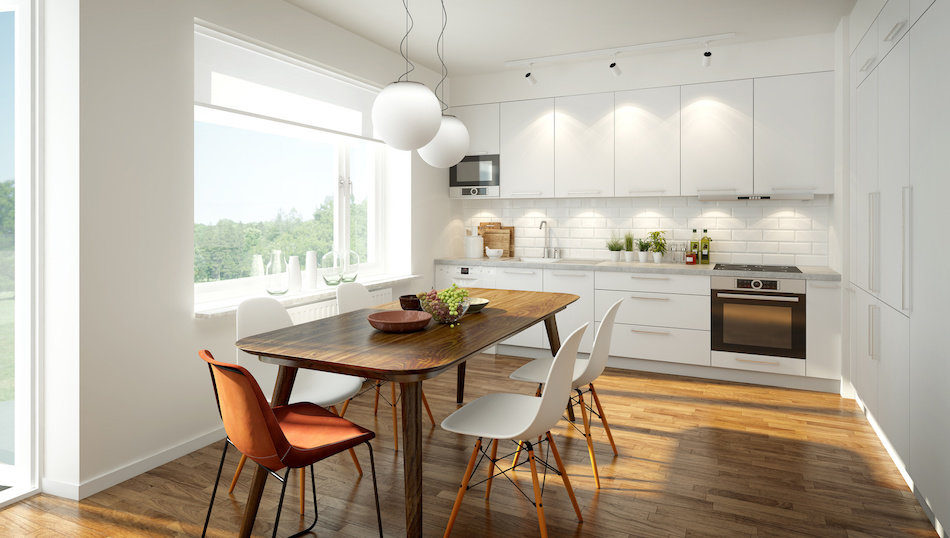
Should I Remodel My Kitchen Before Selling My House?
Posted by Justin Havre Real Estate Team on Tuesday, October 7th, 2025 at 12:06pm.
You walk into your kitchen and cringe. Those honey oak cabinets from 1995 stare back at you. The laminate countertops have seen better days. And you just know buyers will notice.
Should you spend $30,000 updating everything before listing? Or is it better to price your home lower and let buyers deal with it?
While kitchen updates can bring a return on investment of up to 75–100%, that doesn't mean every update is worth it. Smart sellers know which changes pay off and which ones are money pits.
The trick to knowing whether to remodel your kitchen before selling your home? Knowing what potential buyers in your area actually want versus what looks good on home renovation shows.
Quick Kitchen Update Guidelines for Sellers
Before we dive deep, here are the key points to remember:
- Minor updates beat major renovations. Cabinet painting often works better than a full replacement.
- Stick to neutral choices. White cabinets and grey counters sell faster than bold colours.
- Don't over-improve. A $50,000 kitchen in a $300,000 home rarely pays off.
- Know your timeline. Major renovations can take five to eight months.
- Budget realistically. Add 20% to any contractor quote to cover unexpected costs.
- Match your neighbourhood. Luxury finishes can be a mistake in modest areas.
- Consider alternatives. Sometimes, pricing strategically beats renovating.
The Kitchen ROI Reality in Canada
Let's talk numbers. According to CDC Inc. in Edmonton, kitchen renovations typically cost $21,000–$50,000 and can offer as much as a 75–100% average return on investment, depending on the market (and how extensive the remodel is). Sounds great, right?
But here's what those statistics don't tell you. It’s incredibly difficult, if not impossible, to get Canadian statistics that differentiate between “minor kitchen renovation” and “major kitchen remodel.” But if you look at U.S. statistics, the ROI difference can be night and day.
A minor kitchen remodel (think new countertops, cabinet refresh, updated fixtures) typically costs $13,000–$20,000 and is commonly cited alongside the 75–100% ROI statistic.
In Calgary specifically, minor kitchen updates often deliver the strongest returns for sellers. Cabinets, counters, and energy-efficient appliances are your best bets for getting dollar-for-dollar return on investment.
Major renovations tell a different story. Spend $40,000–$50,000+ gutting everything, and according to U.S. stats, you might only get back around 50–60%. And that’s for a mid-range remodel—spring for high-end finishes, and the ROI can nosedive to as little as 36%. The math doesn't work out in your favour.
Why are upscale kitchen remodels a bad home improvement? Because buyers care more about function and cleanliness than fancy finishes. A fresh-looking kitchen that works well beats an expensive remodeled kitchen trying to fix what isn't broken.
Regional differences matter too. Toronto home buyers expect different finishes than those in smaller Prairie cities. What works in Vancouver's competitive market might be overkill in Winnipeg.
And don't forget that every kitchen is unique. A well-maintained kitchen will see lower ROI from a remodel than a distressed one. A kitchen that's 20 years old will benefit more from an update than one that was refreshed five years ago. Big kitchen renovations like moving plumbing are often touted as not worth it when it comes to resale, but if your kitchen desperately needs a new layout to improve functionality, it could still be worthwhile. The ROI changes based on your specific circumstances.
Should You Update? Ask These Three Questions
Don't just assume your kitchen needs work. Ask yourself these questions first.
Question 1: What's Your Timeline?
Selling in the next two to three months? Skip major renovations. They usually take longer than contractors promise, and you'll stress yourself out trying to meet listing deadlines.
Still six-plus months before you want to list? Strategic updates might make sense. But remember, even "quick" kitchen updates can stretch into four-plus months once you factor in planning, permits, and inevitable delays.
If your ideal listing date is less than four months away, focus on cleaning and minor cosmetic fixes instead of renovation projects.
One special circumstance: if the current state of your kitchen makes it "unsellable"—that is, there are enough better options that buyers will leave your home sitting for months without the updates—you may save time if you bite the bullet and start renovations now. As with everything real estate, it's all relative.
Question 2: What's Your Competition?
Drive through your neighbourhood. Look at recent listings online. What do other kitchens look like?
If most homes have updated kitchens, yours might stick out for the wrong reasons. But if everyone's kitchen looks similar to yours, updates become far less critical.
Red flags that could hurt your sale:
- Cabinets that are falling apart or won't close properly
- Broken appliances or missing appliances
- Seriously outdated layouts (like no counter space near the sink)
- Anything that makes the kitchen feel unsafe or unsanitary
If prospective buyers can imagine cooking in your kitchen without major changes, you're probably fine. Some cleaning and staging might be all it takes.
But if your kitchen is bad enough, and your competition is good enough, a kitchen remodel might even exceed 100% ROI by bringing it up to the neighborhood standard and avoiding a poor first impression.
Get your listing agent's professional opinion on what your house might sell for with vs. without the remodel. Buyer expectations are market-specific.
Question 3: What's Your Budget Reality?
Here's the rule of thumb: don't spend more than 5–10% of your home's value on kitchen updates for resale.
So if your home is worth $400,000, keep your kitchen updates under $20,000–$40,000. Going beyond that rarely pays off when it comes to selling.
But there's another number to consider—the hidden costs. Budget an extra 20% for things you didn't expect. Old wiring that needs updating. Plumbing issues behind the walls. A rush order when your new tile flooring falls off the truck and cracks.
A $25,000 project can easily become $30,000+ once you factor in these surprises.
High-Impact Updates That Actually Work
If you decide to update, focus on changes that give you the biggest visual impact for your money.
Cabinet Refresh (Don't Replace!)
As long as your cabinet boxes are functional, cabinet refacing works almost as well as a full replacement for a fraction of the cost.
Cabinet refacing typically costs $4,000–$12,000 versus $6,000–$40,000 for a complete replacement. If your cabinet boxes are solid, just update the doors, drawer fronts, and hardware. You might be surprised how much more modern an outdated kitchen looks with a few simple swaps.
Fresh paint works too. A coat of white or light grey paint transforms tired cabinets for under $1,000 if you do it yourself.
Avoid trendy colours. Navy blue looks great in magazines, but it can limit your buyer pool. Stick with whites, light greys, and soft beiges that appeal to (almost) everyone.
Countertop Strategy
Quartz countertops offer great durability and appeal to Canadian buyers, typically costing around $50–$150 per square foot installed. Granite works well too, at $40–$100 per square foot.
Skip exotic stones like marble or quartzite. They're expensive, and many buyers worry about maintenance.
And no matter which way you go, don't put expensive countertops on dated cabinets in poor condition. It looks like you're trying to hide problems, which makes buyers suspicious.
The Appliance Question
You don't need high-end appliances to sell your home. You need kitchen appliances that match your space and work properly.
Focus on the big three: refrigerator, dishwasher, and range. If they're all stainless steel, great. If they're all white, that works too. Just make sure they match. If they don't, you don't necessarily need brand-new appliances, but they could become a selling point.
Skip specialty appliances like wine fridges, warming drawers, or professional-grade ranges. On top of being expensive, they aren’t make-or-break for most buyers.
Updated Lighting That Sells
Good lighting makes everything look better.
Under-cabinet LED strips make countertops look expensive and kitchens feel bigger. They can cost around $300–$700 total and take a weekend to install if you want to go the DIY route.
Replace that builder-grade light fixture over the sink. Add pendant lights over an island if you have one. Bright, even lighting helps buyers see your kitchen's best features.
Simple Backsplash Impact
A clean backsplash pulls everything together.
White subway tile works in almost any kitchen and costs $7–$35 per square foot installed.
Avoid busy patterns, bold colours, or expensive natural stone. Keep it simple and neutral.
Expensive Mistakes That Kill Your Kitchen’s ROI
Want to know how to waste money on kitchen updates? Here are the most common mistakes sellers make.
Don't Over-Improve for Your Neighbourhood
This is a mistake all too many homeowners make. Spending $80,000 on a luxury kitchen when most homes in your area sell for under $400,000? If it's not purely for your own enjoyment, it's a bad idea.
Buyers won't pay extra for high-end finishes in a modest neighbourhood. They'll just buy the house next door for less money, or go buy a modest house in a more expensive neighbourhood.
Skip These ROI Killers
Custom built-ins sound great, but limit flexibility. Future buyers might want to use that space differently.
Trendy materials date quickly. That geometric tile backsplash you love? It might look outdated in just two to three years.
Professional-grade appliances impress your friends but scare buyers who worry about repair costs and complexity.
The Personalization Trap
Your taste isn't everyone else’s. That bold red accent wall might reflect your personality, but it could turn off buyers who can't imagine their own style in the space.
Neutral doesn't mean boring. It means timeless and broadly appealing.
If you personalize your renovation too much, buyers start seeing two price tags: the price you paid that you're now adding to the home price, and the price they'll pay to undo it all. This can actually be worse than selling as is.
No new homeowner wants to rip out a brand-new kitchen. It feels like a waste. So they'll skip your home in favor of an upgraded kitchen that matches their taste, or an old kitchen that they can gut without qualms.
Smart Alternatives to a Full Renovation
Updating isn't your only option. Here are three kitchen strategies that often work better.
The "Fresh and Clean" Approach
Sometimes, a deep cleaning and minor refresh bring better results than a full-on renovation.
Total cost: $2,000–$5,000.
Here's what this includes:
- Professional deep cleaning (including inside cabinets and appliances)
- Fresh paint on walls and trim
- New cabinet hardware and drawer pulls
- Updated light fixtures
- New faucet
This approach works best when your current kitchen layout is already functional and everything is in decent condition.
The Price-It-Right Strategy
This may seem counterintuitive, but in hot real estate markets, pricing your home competitively with an outdated kitchen can work better than renovating.
Discount your price by 2–3% of your home's value to account for the less-than-ideal kitchen. Buyers get a deal, and you avoid renovation headaches.
This works especially well when:
- You're in a seller's market with low inventory
- Your timeline is tight
- The kitchen functions fine, but looks dated
Seller Concessions
If needed, consider offering $10,000–$20,000 toward kitchen updates as part of the sale. Buyers love this because they get to pick their own finishes instead of living with yours, and you don't have to manage contractors.
This strategy lets you close faster and appeals to buyers who want to customize their space.
Your Action Plan
Ready to make a decision? Here's how to move forward.
Step 1: Get Professional Input
Talk to a local real estate agent who knows your market. They can tell you what buyers expect in your area and which updates—kitchens or otherwise—actually speed up a home sale.
Get local contractor quotes before committing to anything. Material and labour costs vary by market, and real costs help you make better decisions than guessing.
Step 2: Budget Realistically
Add up to 20% to any contractor quote for unexpected issues or cost overruns. Factor in the time you'll spend managing the project and living without a functional kitchen.
Consider your stress level, too. Renovations before selling add pressure because you're working toward a deadline.
Step 3: Start Small and Test
Begin with the most visually impactful items first. Paint the kitchen cabinets, get new hardware, and add under-cabinet task lighting.
See how these changes feel. Sometimes, minor updates are enough to make your kitchen feel fresh and ready for discerning buyers.
Don't let perfect be the enemy of good. A clean, functioning kitchen often fares better than an over-the-top renovation that feels too fancy for the neighbourhood. Remember, there's a good chance the new buyers will want to rip it all out anyway.
Save Your Dream Kitchen for Your Dream Home
Kitchen updates can boost your sale price and help your home sell faster—but only if you choose the right updates for your situation.
Choosing minor refreshes over major overhauls helps you maximize ROI. Know your local market, stick to neutral choices, and don't over-improve for your neighbourhood.
Sometimes the smartest move is pricing strategically instead of renovating. Every situation is different, and the best choice depends on your specific home, market conditions, and timeline.
The key is making an informed decision based on real data about your local market, not generic advice or home renovation show fantasy.
Want to know what's actually selling in your neighbourhood? A local agent can show you recent sales data and help you decide which approach will get you the best return.